By Destiny Obinna
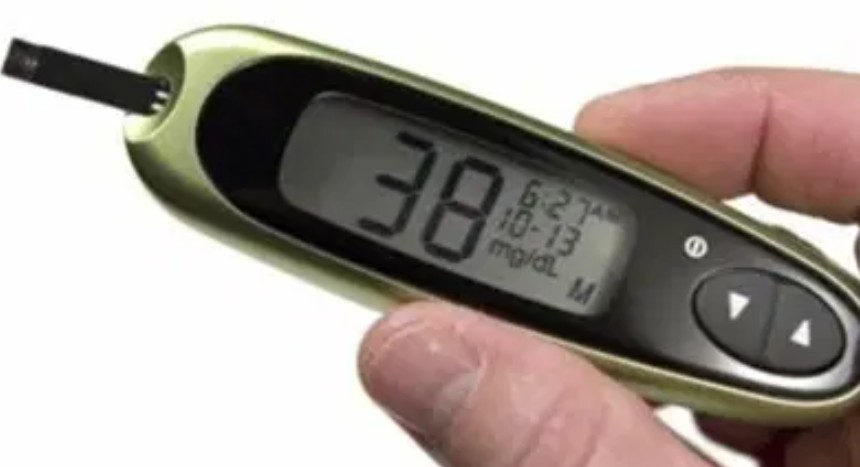
The World Health Organisation (WHO) has warned that the number of adults living with diabetes in Africa could rise from 24.6 million in 2024 to 59.5 million by 2050, with nearly three out of every four people with the disease unaware of their condition.
The WHO Regional Director for Africa, Dr Mohamed Janabi, disclosed this in his message ahead of the 2026 World Diabetes Day, marked on November 14, with the theme, “Early Action on Diabetes.”
Janabi said diabetes was increasingly affecting the lives and livelihoods of millions across the continent, with many people discovering they had the condition only after developing serious complications.
These include kidney failure, blindness, cardiovascular disease and lower-limb amputations.
He stressed that early diagnosis and timely treatment remained critical to preventing complications, reducing suffering and saving lives.
“Early diagnosis and timely treatment can prevent complications, reduce suffering and save lives,” he said.
The WHO regional director urged individuals to recognise the warning signs of diabetes, including increased thirst, frequent urination, unexplained weight loss, persistent tiredness and blurred vision, and seek medical attention promptly.
“My first message is to the general public: Know the symptoms of diabetes and act early. Increased thirst, frequent urination, unexplained weight loss, persistent tiredness and blurred vision may be warning signs. Do not ignore these symptoms. Seek testing and medical advice promptly, and encourage family members and friends to do the same,” Janabi said.
He also urged people at increased risk to undergo screening, noting that diabetes could develop without obvious symptoms.
Janabi called on communities to promote accurate information and challenge stigma and discrimination against people living with the disease.
He urged healthcare workers to prioritise early recognition, timely testing and compassionate, patient-centred care.
“Every patient encounter is an opportunity to promote prevention, improve diabetes management and prevent complications,” he said.
On the health-system response, Janabi said WHO was supporting African countries to strengthen diabetes services through its Package of Essential Noncommunicable Disease Interventions (WHO PEN), HEARTS technical package for cardiovascular disease, HEARTS-D for the diagnosis and management of type 2 diabetes, and PEN-Plus strategy for severe noncommunicable diseases at first-level referral facilities.
He commended Rwanda for achieving nationwide district-level coverage of PEN-Plus but noted that major gaps remained in access to trained health workers, diagnostic services, essential medicines and continuous care.
The WHO official called on governments to make diabetes prevention, early diagnosis and continuous treatment priorities within primary healthcare and universal health coverage.
“This requires sustained investment in public awareness, affordable insulin and essential medicines, diagnostics, trained health workers and reliable health systems,” he said.
He also urged development partners, civil society organisations and the private sector to support government-led efforts, particularly in underserved communities.
Janabi reaffirmed WHO’s commitment to helping African countries accelerate progress towards the 2030 targets of the Global Diabetes Compact.
He said: “On this World Diabetes Day, my message is simple: Know the symptoms. Do not ignore the warning signs. Seek testing and care early. Encourage others to do the same.
“Together, we can build an Africa where diabetes is detected early, quality treatment is accessible to all, and no one loses their sight, a limb or their life because diabetes was diagnosed too late.”