By Chidimma Oparaochaekwe
Experts in healthcare have called for increased awareness, regular breast checks and healthier lifestyle choices to address the growing concern over breast cancer among younger women, stressing that early detection remains critical to successful treatment.
They also called for stronger collaboration among healthcare providers, organisations and communities to expand access to breast cancer education, screening and early diagnosis, particularly among younger women.
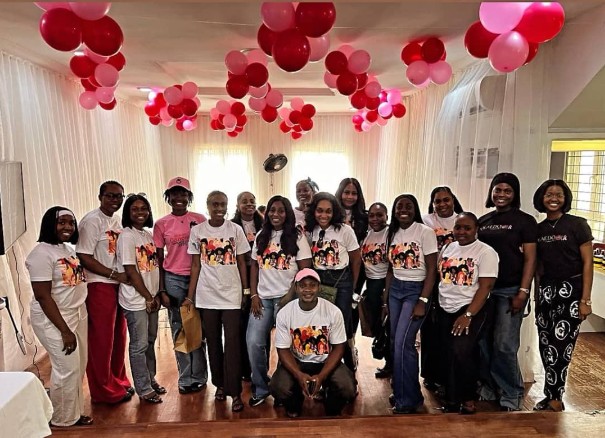
They made the calls during the 2026 Breast Cancer Awareness Month commemoration organised by Feet2Fit Integrative Health Wellness Limited in partnership with CFG Africa at Lekki Phase One, Lagos. The event, with the theme, “Sharing Data, Fostering Preventive Care and Early Detection,” brought together health professionals to educate participants on breast health, risk factors, preventive care and the importance of seeking medical attention when changes are noticed.
The speakers emphasised that breast cancer awareness should go beyond the annual campaign, urging women to become familiar with their breasts, understand possible warning signs and take advantage of appropriate screening services. They also stressed that men should not be excluded from breast cancer education, as the disease can affect them, although it is less common.
Radiologist at the Lagos University Teaching Hospital, LUTH, Dr Damilola Adeyemo, who spoke on “Be Breast Aware, Be Health Aware,” addressed common myths and facts about breast cancer, explaining that not every breast lump is cancerous. She noted that some lumps may be caused by benign conditions such as cysts, fibroadenomas and abscesses, but advised that every unusual lump should be properly evaluated by a medical professional.
Adeyemo also dispelled the misconception that breast cancer only affects people with a family history of the disease, explaining that individuals without such a history can also develop it. She further highlighted that men can develop breast cancer, although cases are less common among them.
She explained that breast cancer does not always present as a noticeable lump, as some abnormalities may appear as non-mass lesions and may be detected through imaging. According to her, changes in breast size or shape, nipple discharge, skin changes, persistent pain and unusual swelling should not be ignored.
Adeyemo cautioned against the assumption that the absence of a lump means there is no possibility of breast cancer, adding that some forms of the disease may not produce the symptoms commonly associated with it.
“Not all breast cancers present as obvious lumps. Some abnormalities may appear as non-mass lesions and may not produce the usual signs people associate with breast cancer.”
She explained that breast self-examination should not be treated as a replacement for clinical assessment or recommended screening, but as a way for women to become familiar with their bodies and recognise unusual changes early.
“The purpose of breast self-examination is to become familiar with your breasts so that you can recognise when something changes.”
The radiologist also discussed breast density, benign breast conditions and the importance of proper medical evaluation. She explained the role of the Breast Imaging Reporting and Data System (BI-RADS) in classifying imaging findings and guiding decisions on further assessment, follow-up or biopsy.
She encouraged women to seek professional advice rather than relying on assumptions, fear or unverified information when they notice changes in their breasts.
Medical Director of Feet2Fit Integrative Health Wellness Limited, Dr Elizabeth Falabi, expressed concern about the increasing occurrence of breast cancer among younger women and stressed the need to make preventive healthcare a priority.
Falabi said the awareness campaign was designed to help participants understand the importance of early diagnosis and healthy living, noting that lifestyle choices, including nutrition, exercise and stress management, play important roles in overall health.
“As I mentioned earlier today, the prevalence among young adults and adolescents is also rising rapidly. I want people to understand that living a healthy lifestyle and embracing early diagnosis can make a significant difference.”
She observed that fear often prevents people from going for medical checks, as some prefer not to know their health status.
However, she maintained that avoiding screening does not eliminate the possibility of disease and may delay access to appropriate care.
“Sometimes, people are afraid of going for screening because they do not want to know their health status. However, knowing early gives you a better opportunity to begin treatment promptly.”
Falabi encouraged women to seek professional guidance on appropriate breast screening based on their age, individual risk factors and medical history. She also highlighted the need for men to understand that breast cancer is not exclusively a women’s health concern.
She further urged individuals to adopt regular physical activity, make healthier food choices and pay attention to changes in their bodies, explaining that preventive healthcare requires deliberate and consistent effort rather than occasional attention when health problems arise.
Fitness enthusiast, Mrs Mobolaji Edward, also highlighted the importance of regular physical activity as part of preventive healthcare, urging women to make exercise a deliberate and consistent part of their routines.
Edward encouraged women to start exercising early rather than waiting until they experience health challenges. She also discussed the importance of maintaining an active lifestyle before and during menopause, noting that physical activity should remain part of an individual’s overall approach to health and well-being.
She identified activities such as walking, aerobics, tennis and gym exercises as options people could incorporate into their routines, while encouraging individuals to choose activities suited to their fitness levels and remain consistent.
Registered Dietitian, Oluwajomiloju Asagidigbi, who spoke on “Nutrition for Breast Health: Food Choices That Support Prevention,” identified nutrition as an important part of lifestyle medicine and explained how dietary habits can influence factors associated with breast cancer risk.
She said excess body fat could affect hormonal balance, including oestrogen levels, while unhealthy dietary patterns may contribute to inflammation and other metabolic changes. She therefore advised participants to maintain a healthy weight and make informed food choices.
Asagidigbi recommended a diet containing fruits, vegetables, whole grains and fibre-rich foods, as well as sources of omega-3 fatty acids. She also advised limiting the consumption of highly processed foods, sugary drinks, processed meats and fried meals.
“Food is a risk factor that we can address through better choices, one meal at a time.”
The dietitian explained that maintaining a healthy weight and adopting balanced eating habits should be part of a broader preventive approach, rather than relying on a single food or supplement to prevent cancer.
“We should aim to maintain a healthy weight, make healthier food choices and adopt habits that help keep oestrogen levels within a healthy range.”
She added that nutrition alone could not guarantee protection against breast cancer, urging participants to combine healthy eating with regular physical activity, adequate sleep and appropriate medical checks.
Global Markets Analyst at CFG Africa, Anjolaoluwa Boluwajoko, said the organisation partnered with Feet2Fit because of its commitment to promoting women’s health and well-being, noting that women make up a significant part of its workforce and clientele.
She explained that the partnership reflected CFG Africa’s interest in supporting initiatives that address issues affecting women, adding that the organisation intended to extend the impact of the programme beyond the event.
“Today’s programme is just the first step, and we are committed to expanding the initiative.”
Boluwajoko said CFG Africa hoped to extend its support to clients, vendors, employees and surrounding communities through increased awareness and access to breast cancer screening.
“We want to be known as an organisation that consistently advocates for women’s health, women’s rights and their general well-being.”
The speakers collectively called for sustained public education to address misinformation, reduce fear surrounding screening and encourage people to take responsibility for their health. They stressed that awareness, early medical assessment and healthy lifestyle choices should remain central to efforts to improve breast health and reduce the impact of breast cancer.